What are digital products? Examples & ideas
Understand what a digital product is, how downloads differ from services, and which formats solve which problems.
A digital product is the thing delivered
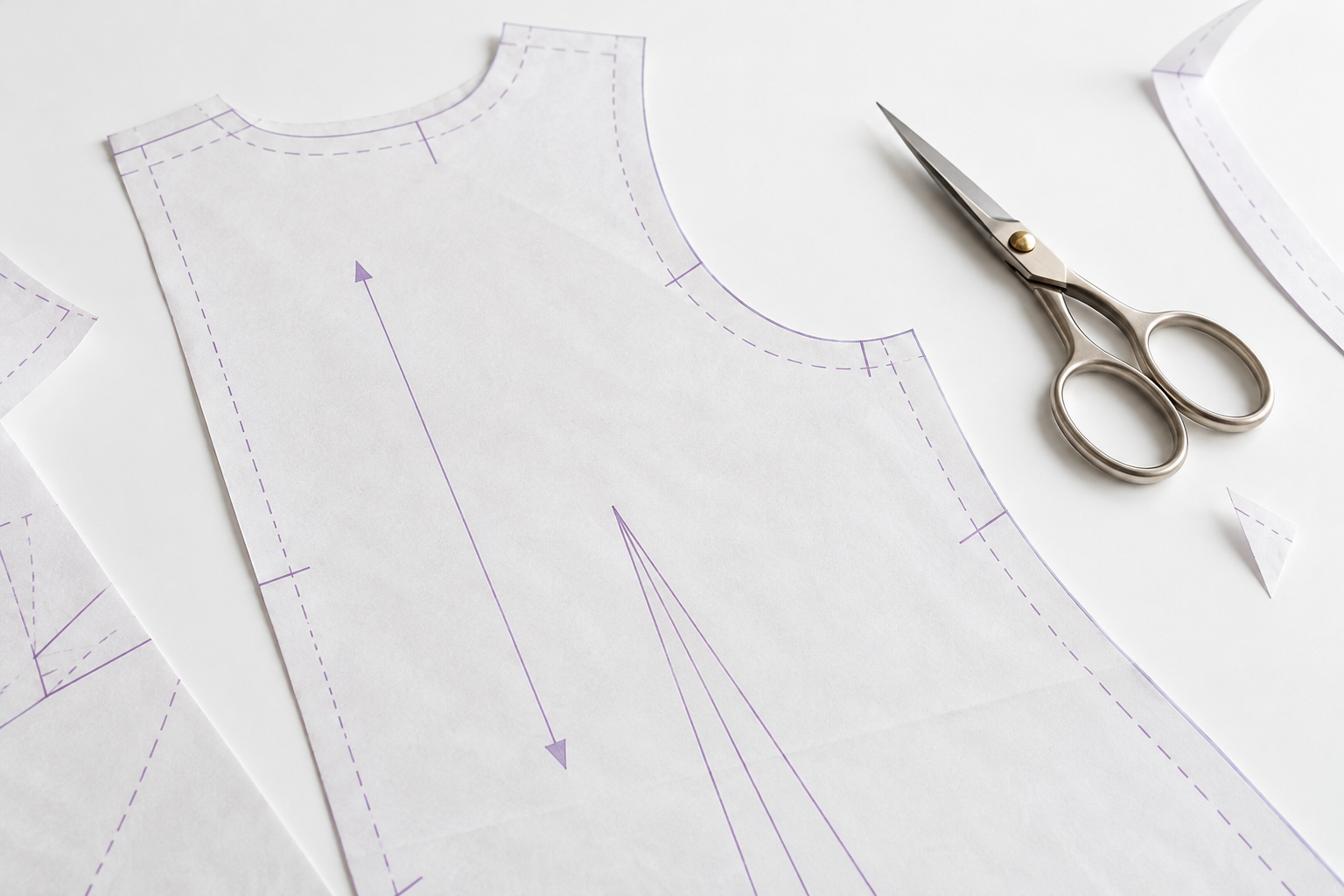
A digital product is a file, software tool, or digital access that a customer purchases for a defined use. A sewing-pattern PDF, an editable presentation, and a pack of original audio effects are all digital products. Their useful feature is different; their electronic delivery is what they share.

| Type | Example | What the customer is buying |
|---|---|---|
| Fixed document | Original sewing-pattern PDF | Instructions and pattern pieces to follow |
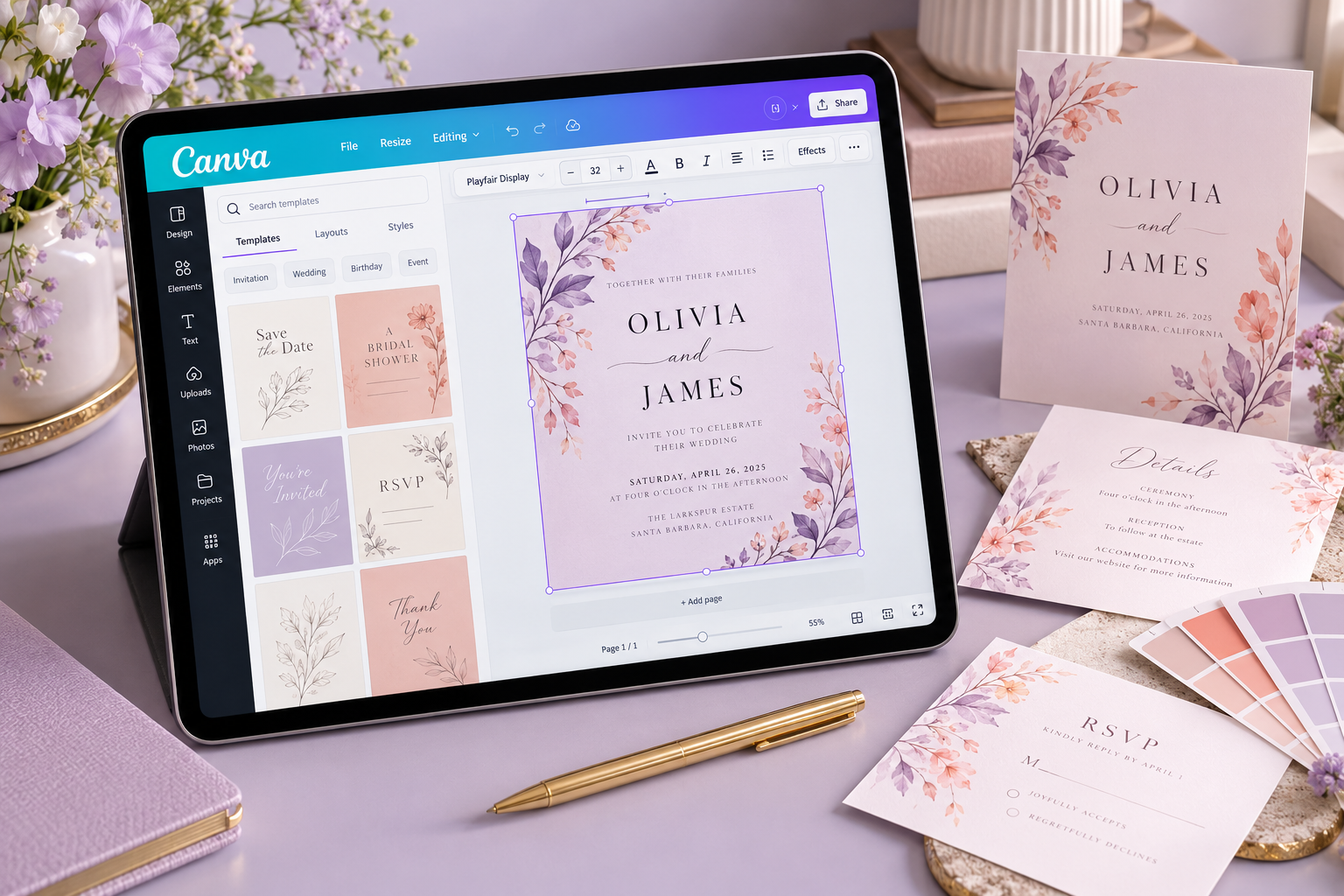
| Editable resource | Presentation layout | A structure to adapt to their own content |
| Functional file | Project-costing spreadsheet | Calculations and organised inputs |
| Creative asset | Original sound-effect pack | Audio files for the permitted production uses |
| Hosted learning | Recorded photo-editing lesson | Access to a particular learning resource |
Product, service, or a combination?
A prebuilt budget workbook sold to many customers is a product. Building a custom workbook for one client is a service. Selling a downloadable workbook with a paid setup session combines both.
The distinction explains the workload. Repeated delivery of a finished file can be automated; a custom setup still requires your time for each customer. Calling the offer digital does not change that.
Match the format to what changes
| The customer needs to… | A suitable format to consider | Why |
|---|---|---|
| Read instructions in a fixed sequence | PDF guide | Layout stays consistent |
| Change names, images, and wording | Editable design file | Content can be replaced |
| Enter numbers and update totals | Spreadsheet | Calculations respond to inputs |
| Use a resource inside creative software | Compatible asset files | The files fit the intended workflow |
For example, a garden-sowing tracker can be a printable record or a spreadsheet that sorts dates. Those are different products, even if both use the same information. State which behaviour the buyer receives.
Buying a copy does not automatically mean buying rights
A customer may receive permission to use the file while the creator keeps the copyright. Personal use, business use, and resale are different permissions. The product’s licence should explain what is allowed; delivery as a download does not grant unlimited redistribution.
Two boundaries that avoid confusion
A free social post is digital content, but it is not automatically a product offer. A shirt printed from a digital design is a physical product; the artwork file could be a separate digital product if it is sold independently.
A hosted resource also differs from a stored download. Access can depend on an account or platform, while a downloaded file depends on compatible software. These requirements belong in the offer because they affect whether the customer can use it.
The useful unit is an outcome, not a file count
A digital product can contain one file and still save the buyer substantial work. It can also contain a hundred files and leave the buyer unable to finish the task. Evaluate what the package helps someone do, not its download size or page count.
For instance, a project-costing spreadsheet may include a materials tab, a time estimate, and a quote summary. Those parts work together. Adding unrelated journals or stock images increases the bundle size without improving the calculation.
When describing a product, combine the outcome with the format: “Calculate a project quote in a spreadsheet” is clearer than “a complete digital toolkit.” The buyer can then judge both the task and the software requirement.

Understand how digital value is created
Most useful digital products provide one or more of four things: structured information, reusable decisions, dependable functionality, or original creative material.
| Value type | What the creator does | Example |
|---|---|---|
| Structure | Organises information into a usable sequence. | A sewing guide with a checked assembly order. |
| Reusable decisions | Resolves layout or planning choices. | A presentation system with coherent slide roles. |
| Functionality | Builds behaviour that responds to inputs. | A quote sheet that updates totals. |
| Original material | Creates something the buyer can use in their own work. | A recorded sound-effect collection. |
This is why “I can find information online for free” does not settle whether a product has value. The question is whether the paid version removes enough searching, organising, designing, or calculating to justify its price. Repackaging freely available material without rights or a meaningful improvement is a different proposition.
Delivery method changes the customer experience
A direct download gives the buyer a local file. A template link requires an account and a copy workflow. A hosted course or tool depends on ongoing platform access. The product description should name these conditions before payment.
A PDF can also be either the product itself or an access document. A pattern PDF contains the pattern; a template-access PDF may only contain a link. Both are downloads, but the customer’s next step differs. Confusing them can make a legitimate product look incomplete.
Think about the whole path: pay, receive, open, use, and save the result. A product that works in your editing account may not work for a customer who has different permissions or software.
Choose the model that fits your capacity
A ready-made product can be supplied repeatedly without recreating it. A personalised digital product needs work for each order. A subscription can add recurring revenue but usually adds ongoing delivery and support expectations.
Compare the workload behind the offer. A $30 ready-made file and a $30 file requiring an hour of customisation do not create the same business. A hosted resource also brings a different maintenance burden from a standalone file.
Some products combine models, such as a fixed workbook plus an optional paid setup session. Label the parts separately so the buyer knows what is included and you can see which part consumes time.
What digital products are not
Digital does not mean risk-free, automatically profitable, or free of legal responsibilities. Files can have rights restrictions, account requirements, and software dependencies. Automatic delivery can reduce fulfilment work, but the offer still needs customers.
Is a printable a digital product?
Yes, when the customer buys the file and prints it themselves. If you print and ship the sheets, the delivered product is physical.
Is every online business a digital-product business?
No. A remote consultation is a service. An online shop selling shipped items is physical commerce. The delivery and the work performed determine the model, not the fact that a website takes payment.